How Secured Credit Cards Build Credit (Step-by-Step Guide)


If you’re considering a secured credit card, you probably have one big question: do they actually build credit?

The short answer is yes — secured credit cards build credit exactly like regular credit cards. But there’s more to it than just getting approved. Here’s how secured cards build credit, how fast you’ll see results, and how to maximize your credit-building.

How Do Secured Credit Cards Build Credit?

Secured cards build credit the same way unsecured cards do: by reporting your account activity to credit bureaus.

Here’s what happens when you use a secured card:

1. You open the account with a deposit Your deposit (usually $200-500) becomes your credit limit. This protects the bank if you don’t pay, but doesn’t affect how credit bureaus see the account.

2. You make purchases Use the card for regular purchases — gas, groceries, subscriptions, whatever.

3. You receive a statement Each month, your statement shows your balance and minimum payment due.

4. You pay your bill You pay at least the minimum (ideally the full balance) by the due date.

5. The issuer reports to credit bureaus Your payment history, balance, and credit limit are reported to Equifax, Experian, and TransUnion — the three major credit bureaus.

6. Your credit score updates Based on this reported data, your credit score is calculated and updated.

The key insight: credit bureaus don’t distinguish between secured and unsecured cards. Your secured card looks identical to any other credit card on your credit report. There’s no flag saying “this is a secured account.”

What Factors Affect Your Credit Score?

Understanding credit scoring helps you use your secured card strategically:

Payment History (35%) — The biggest factor. Paying on time every month is crucial. One late payment can drop your score 50-100 points.

Credit Utilization (30%) — The percentage of your credit limit you’re using. Lower is better. Keeping utilization under 30% (ideally under 10%) maximizes this factor.

Credit Age (15%) — How long your accounts have been open. Longer is better. This is why you should keep your first card open forever.

Credit Mix (10%) — Having different types of credit (cards, loans, etc.). Less important, but having a credit card helps.

New Credit (10%) — Recent applications and new accounts. Too many applications in a short period hurts your score.

Your secured card directly affects all five factors — especially payment history and utilization, which together make up 65% of your score.

How Fast Do Secured Cards Build Credit?

Most people see meaningful credit improvement within 6-12 months. Here’s a realistic timeline:

Month-by-Month Credit Building Timeline

Month 1:

  • Account opens and is reported to credit bureaus
  • If you had no credit before, you may now have a credit score
  • Initial score is often low (500-600) simply because of thin file

Month 2-3:

  • Payment history begins accumulating
  • If utilization is low, score may tick up slightly
  • Don’t expect dramatic changes yet

Month 4-6:

  • With consistent on-time payments and low utilization, expect 20-50 point improvement
  • Some secured cards (like Discover it® Secured) begin graduation review at month 7

Month 6-9:

  • Score often reaches “fair” territory (640-670)
  • You may qualify for some unsecured credit cards
  • Credit limit increases may become available

Month 9-12:

  • Continued improvement with responsible use
  • Scores can reach 680-720 (good credit)
  • You likely qualify for graduation to unsecured card

Month 12-18:

  • Most secured cards have reviewed you for graduation by now
  • With perfect history, scores can reach 700+ (good to excellent)
  • You qualify for most mainstream credit cards

Important: This timeline assumes perfect behavior — paying on time every month and keeping utilization low. Missed payments or maxed-out cards will slow or reverse progress.

How to Build Credit Faster with a Secured Card

These strategies accelerate credit building:

1. Keep Utilization Under 10%

Utilization is the fastest lever you can pull. If your limit is $200, keep your balance under $20 when your statement closes.

Pro tip: You can make multiple payments per month to keep your reported balance low. Pay off purchases before your statement closing date.

2. Never Miss a Payment

Set up autopay immediately. Even one 30-day late payment can drop your score 50-100 points and stay on your report for 7 years.

Minimum payment autopay is the safety net. Then manually pay the full balance each month.

3. Keep the Account Open

Don’t close your secured card after you graduate or get better cards. Account age is 15% of your score, and closing your oldest account hurts your average age.

4. Request Credit Limit Increases

Higher limits = lower utilization = better score. After 6 months of on-time payments, ask for an increase. Some secured cards do this automatically.

For Capital One, you’re automatically considered after 5 on-time payments. Read our Capital One Platinum Secured review for details.

5. Use the Card Regularly (But Lightly)

Some evidence suggests that regular activity helps more than occasional use. Put a small recurring charge (like a streaming subscription) on the card to ensure monthly activity.

But don’t spend more than necessary. The goal is building credit, not racking up purchases.

6. Check Your Credit Report for Errors

Errors on your credit report can suppress your score. Get free reports from AnnualCreditReport.com and dispute any inaccuracies.

Common errors include:

  • Accounts that aren’t yours
  • Incorrect payment status
  • Wrong credit limits
  • Duplicate accounts

Common Mistakes That Slow Credit Building

Carrying a balance — Some people think carrying a balance builds credit faster. It doesn’t. You’re just paying interest for no benefit.

Maxing out the card — High utilization hurts your score even if you pay in full. Keep balances low throughout the month, not just by the due date.

Applying for too many cards — Each application creates a hard inquiry. Multiple inquiries in a short period can drop your score and signal desperation to lenders.

Closing the card after graduation — This hurts your credit age and utilization ratio. Keep it open even if you never use it.

Missing payments — Even one late payment creates lasting damage. Always have autopay as a backup.

Best Secured Cards for Building Credit

Not all secured cards report to all three bureaus. These do:

Discover it® Secured — Best overall. Reports to all three bureaus, offers rewards, and reviews for graduation at 7 months.

Capital One Platinum Secured — Lowest potential deposit ($49). Reports to all three bureaus. Automatic credit line increase consideration.

Chime Credit Builder — No credit check, no annual fee. Reports to all three bureaus. Good for anyone who wants zero debt risk.

For a complete comparison, see our secured credit cards guide.

When to Move Beyond a Secured Card

You don’t have to stay with a secured card forever. Signs you’re ready to upgrade:

Your credit score is 670+ — You likely qualify for entry-level unsecured cards.

Your secured card offers graduation — Take it. You’ll get your deposit back and often keep the same account (preserving history).

You’ve been denied for upgrade — If your issuer won’t graduate you after 12-18 months of perfect payments, apply for an unsecured card elsewhere.

Upgrade options to consider:

Does Getting a Secured Card Hurt Your Credit?

Initially, yes — slightly. The hard inquiry from applying typically drops your score 5-10 points, and a new account lowers your average account age.

But these effects are temporary. Within 2-3 months, the positive impact of having an active credit account outweighs the initial dip. By month 6, you’ll almost certainly be ahead of where you started.

The only scenario where a secured card hurts your credit long-term: if you miss payments or max out the card. Used responsibly, secured cards are one of the most effective credit-building tools available.

The Bottom Line

Yes, secured credit cards absolutely build credit — and they do it just as effectively as unsecured cards. Credit bureaus don’t differentiate between the two.

The keys to building credit fast:

  1. Choose a card that reports to all three bureaus
  2. Keep utilization under 10%
  3. Pay on time every single month
  4. Keep the account open long-term
  5. Request limit increases after 6 months

With consistent, responsible use, you can go from no credit to good credit (680+) in 12-18 months. From there, better cards, lower interest rates, and easier approvals await.


Related Reading


Disclosure: BankSeer may earn a commission when you apply through links on our site. This doesn’t affect our ratings or recommendations.
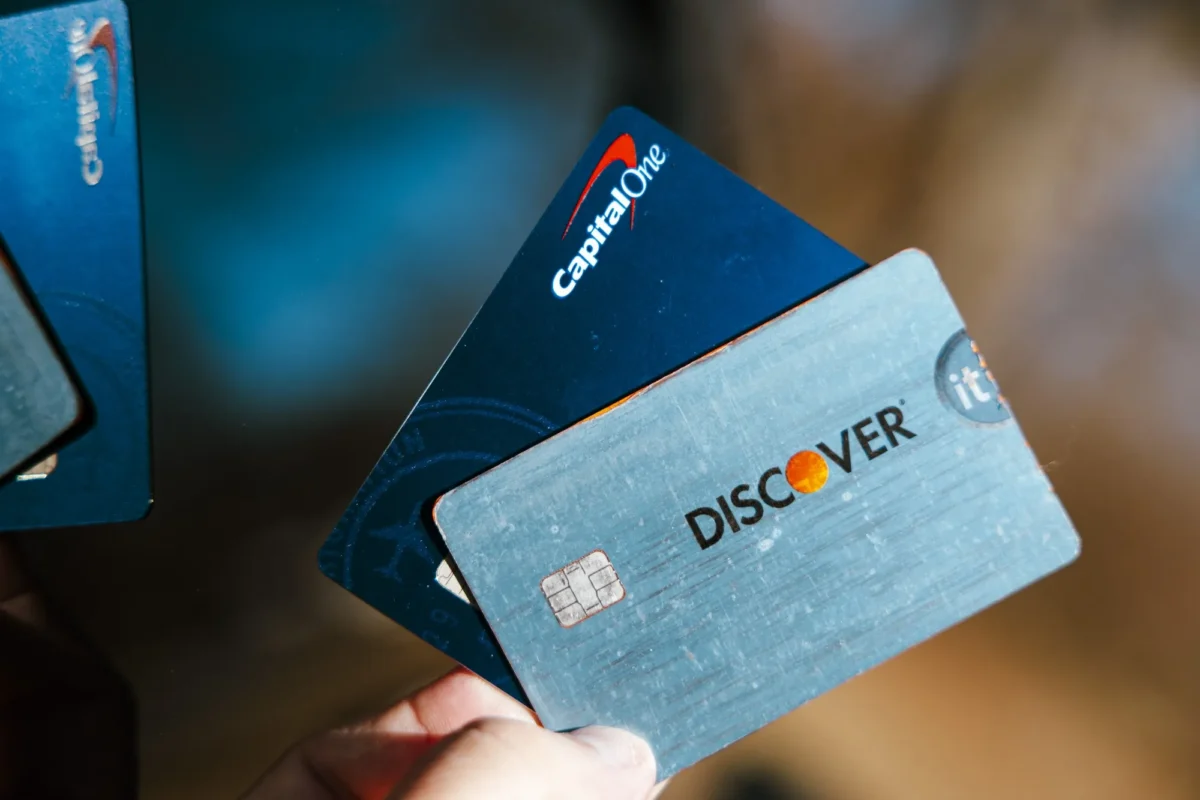
Capital One Platinum Secured Review 2026

The Capital One Platinum Secured Credit Card is one of the most popular secured cards for building credit. But is it actually the best choice for you in 2026?

After analyzing the card’s features, comparing it to alternatives, and reviewing real user experiences, here’s our complete verdict.

Capital One Platinum Secured: Quick Overview

Feature Details
Annual Fee $0
Security Deposit $49, $99, or $200
Credit Limit $200 (minimum)
APR 30.74% Variable
Rewards None
Foreign Transaction Fee $0
Credit Bureau Reporting All 3 (Equifax, Experian, TransUnion)

Our Rating: 4.2/5

Best For: People who want the lowest possible deposit to start building credit, and those who value Capital One’s mobile app and automatic credit line increases.

What Makes This Card Unique

The Variable Deposit System

Most secured cards require a flat deposit — usually $200 or $300. Capital One does something different: they evaluate your application and may offer you one of three deposit tiers:

  • $49 deposit → $200 credit limit
  • $99 deposit → $200 credit limit
  • $200 deposit → $200 credit limit

This means you could get a $200 credit line for just $49 down — a 4:1 ratio that’s rare in the secured card world. However, which tier you get depends on your specific situation. People with some credit history (even if damaged) often get the lower deposit offers.

You won’t know your deposit requirement until you apply, but Capital One’s pre-qualification tool lets you check without a hard credit pull.

Automatic Credit Line Increases

After making your first 5 monthly payments on time, Capital One automatically considers you for a higher credit line — without requiring an additional deposit. Many cardholders report increases from $200 to $500 or even $1,000 within 6-12 months.

This matters because credit utilization (how much of your limit you use) accounts for 30% of your credit score. A higher limit makes it easier to keep utilization low.

Path to Unsecured

Capital One periodically reviews secured accounts for graduation to unsecured status. When you graduate:

  • Your security deposit is refunded
  • Your account converts to a regular Capital One card
  • Your credit history stays intact (the account age continues)

Typical graduation timeline is 12-18 months of responsible use, though some users report graduating faster.

The Pros

1. Lowest deposit in the industry (potentially)

If you qualify for the $49 tier, you’re getting more credit per dollar deposited than almost any other secured card. Even the $99 tier is better than most competitors requiring $200+.

2. No annual fee

You won’t pay anything just to have the card. Some secured cards charge $25-$50 annually, which eats into the value — especially when you’re trying to build credit, not spend money on fees.

3. Reports to all three bureaus

Capital One reports your payment activity to Equifax, Experian, and TransUnion every month. This is essential for building credit. Some smaller secured cards only report to one or two bureaus.

4. No foreign transaction fees

Planning to travel or study abroad? Most secured cards charge 3% on international purchases. Capital One charges nothing, making this card surprisingly travel-friendly for a credit-building product.

5. Excellent mobile app

Capital One’s app is genuinely one of the best in banking. Features include:

  • Instant lock/unlock if your card is lost
  • Real-time transaction alerts
  • Free CreditWise credit score monitoring
  • Virtual card numbers for online shopping
  • Easy payment scheduling

6. Wide acceptance

As a Mastercard, this card is accepted virtually everywhere. Some secured cards are only Visa or have limited merchant acceptance.

The Cons

1. No rewards

This is the card’s biggest weakness. You earn nothing on purchases — no cash back, no points, no miles. Competitors like the Discover it® Secured offer 2% cash back at gas stations and restaurants plus a first-year cashback match.

If rewards matter to you, check out our secured credit cards comparison for alternatives.

2. High APR

At 30.74% variable, this card’s interest rate is steep. While you should always pay your balance in full (and avoid interest entirely), this APR punishes any mistakes harshly.

3. Deposit isn’t always low

The $49 deposit is a best-case scenario. Many applicants — especially those with no credit at all — get the $200 requirement, which matches most other secured cards.

4. No guaranteed graduation timeline

Unlike Discover (which reviews accounts at 7 months), Capital One doesn’t commit to a specific graduation timeline. Some users wait 18+ months for their deposit back.

5. Starting limit is just $200

Even with the automatic increase feature, you’re starting with a $200 limit. If you need more spending power immediately, you’d need to deposit more upfront with a different card.

Capital One Platinum Secured vs. The Competition

vs. Discover it® Secured

Feature Capital One Platinum Discover it® Secured
Annual Fee $0 $0
Minimum Deposit $49-$200 $200
Rewards None 2% gas/restaurants, 1% everything
Cashback Match No Yes (first year)
Graduation Review Periodic 7 months
Foreign Transaction Fee $0 $0

Verdict: Discover wins on rewards. Capital One wins on potentially lower deposit. If you can get the $49 deposit tier, go Capital One. If you’re paying $200 anyway, Discover is better.

For a detailed comparison, read our Capital One Platinum vs Discover it Secured guide.

vs. Chime Credit Builder

Chime doesn’t require any security deposit — you just move money from your Chime checking account. However, you need direct deposit set up, and it’s technically a charge card (balance auto-paid). Capital One is better if you want a traditional credit card experience.

vs. OpenSky® Secured Visa®

OpenSky doesn’t check credit at all, making it easier to get approved. But it charges a $35 annual fee. Capital One is better unless you’ve been denied everywhere else.

Who Should Get This Card?

Ideal for:

  • First-time credit builders who want to minimize upfront costs
  • People who value a great mobile app experience
  • Anyone planning international travel (no foreign transaction fees)
  • Those who want automatic credit line increases without asking
  • People who already bank with Capital One

Not ideal for:

  • Reward seekers (get Discover it® Secured instead)
  • Those who need a specific graduation timeline
  • People who want the highest possible starting credit limit

Who Should NOT Get This Card?

Skip this card if:

  • You have fair or good credit already — You likely qualify for unsecured cards. Check out our best credit cards for bad credit to see if you qualify for something better.

  • You’re an immigrant with no SSN — Capital One requires a Social Security Number. If you’re new to the US, see our best credit cards for immigrants for alternatives.

  • You have ChexSystems issues — Capital One may check ChexSystems. If you’ve been denied bank accounts, look at our no ChexSystems banks guide first.

How to Apply

  1. Check pre-qualification first — Visit Capital One’s website and use their pre-qualification tool. This shows your approval odds and deposit tier without affecting your credit score.

  2. Gather your information — You’ll need your SSN, income details, and banking information for the deposit.

  3. Apply online — The application takes about 5 minutes. Decisions are usually instant.

  4. Fund your deposit — If approved, you’ll need to pay your security deposit before the card ships. You can pay via bank transfer or debit card.

  5. Activate and use responsibly — Once your card arrives, activate it and start making small purchases. Pay your balance in full every month.

Tips for Building Credit Faster

Once you have the card, maximize your credit-building:

Keep utilization under 10% — With a $200 limit, that means keeping your balance under $20 when your statement closes. Low utilization = faster score improvement.

Set up autopay — Never risk a late payment. Even one 30-day late payment can drop your score 50-100 points and stay on your report for 7 years.

Don’t close the account — Even after you get better cards, keep this one open. Account age helps your credit score.

Request credit limit increases — After 6 months of on-time payments, you can request increases through the app. Higher limits = lower utilization = better score.

The Bottom Line

The Capital One Platinum Secured is a solid, no-frills secured credit card that does exactly what it promises: help you build credit at low cost. The potential for a $49 deposit is a genuine differentiator, and the automatic credit line increases reward responsible use.

However, if you’re paying the full $200 deposit anyway, the Discover it® Secured offers better value with its cash back rewards and guaranteed 7-month graduation review.

Our recommendation: Use Capital One’s pre-qualification tool first. If you get the $49 or $99 deposit offer, this card is an excellent choice. If you’re quoted $200, compare it against Discover before deciding.


Related Reading

Capital One Platinum vs Discover it Secured — Build Credit in 2026


Both Capital One Platinum Secured and Discover it Secured are top choices for building credit from zero, but they have key differences that make one better depending on your situation.

I’ll compare every aspect: costs, rewards, approval rates, graduation timelines, and real user experiences to help you choose.

Quick Comparison

Feature Discover it Secured Capital One Platinum
Minimum Deposit $200 $49
Annual Fee $0 $0
Rewards 2% gas/restaurants, 1% everything None
Graduation Timeline 8 months 6-18 months
Credit Line Increases With additional deposit Possible without deposit
Free Credit Score Yes (FICO) Yes (FICO)
Approval Rate ~85% ~90%

Deposit Requirements

Discover it Secured

Minimum: $200
Maximum: $2,500
Your limit: Equals your deposit

Example: Deposit $300 → Get $300 credit limit

Flexibility: You can add to deposit later to increase limit

Capital One Platinum Secured

Minimum: $49, $99, or $200
Your limit: Equals your deposit amount

Unique feature: After 6 months of good payment history, Capital One may increase your limit WITHOUT requiring additional deposit.

Example:

  • Start with $200 deposit/$200 limit
  • Month 6: Capital One increases to $500 limit automatically
  • You still only have $200 deposited

Winner for deposit: Capital One – Lower minimum ($49 vs $200) and potential increases without deposit


Annual Fees & Costs

Both Cards: $0 Annual Fee

Neither card charges annual fees, which is huge. Some secured cards charge $35-49/year.

Real savings: $35-49/year compared to OpenSky or other fee-charging secured cards

Other Fees (Both Cards):

  • Late payment: $40
  • Returned payment: $40
  • Foreign transaction: 0% (both cards)

Winner: Tie – Both have excellent fee structures


Rewards & Cashback

Discover it Secured

Cashback structure:

  • 2% cashback at gas stations and restaurants (up to $1,000 quarterly spend)
  • 1% cashback on all other purchases
  • Cashback Match: Discover matches all cashback earned in first year (effectively doubles your rewards)

Real earnings example:

  • $100/month total spend
  • $50 on gas/dining, $50 on other
  • Earn: ($50 × 2%) + ($50 × 1%) = $1.50/month
  • First year with match: $1.50 × 12 × 2 = $36
  • Years 2+: $18/year

Additional perks:

  • Free FICO credit score monthly
  • $0 fraud liability
  • Freeze it instantly in app

Capital One Platinum Secured

Rewards: None

What you get instead:

  • CreditWise monitoring (free FICO score)
  • Potential credit line increases without deposit
  • Virtual card numbers for online shopping

Winner: Discover – $36-50+ cashback in year 1 vs $0 with Capital One


Graduation to Unsecured Card

what secured credit cards are

Discover it Secured

Timeline: Automatic review at 8 months

Graduation process:

  1. Discover reviews account automatically at month 8
  2. If you’ve paid on time every month and managed credit well, they upgrade
  3. You get deposit back as statement credit or check
  4. Same card number, now unsecured

Requirements for graduation:

  • 8+ months of on-time payments
  • Responsible credit usage (keep utilization under 50%)
  • No recent late payments

Success rate: ~70% of eligible users graduate between months 8-12

User reports:

  • Average graduation: 8-10 months
  • Deposit returned within 2 billing cycles
  • Some users report graduation as early as 7 months

Capital One Platinum Secured

Timeline: Reviews starting at 6 months

Graduation process:

  1. Capital One reviews periodically starting at month 6
  2. May increase limit without deposit first
  3. Full graduation typically 12-18 months
  4. Deposit returned when graduated

What’s different:

  • Earlier reviews (6 months vs 8)
  • May not graduate fully but instead increase limit
  • Variable timeline – some users graduate at 12 months, others wait 18-24 months

Success rate: ~60% graduate within 18 months

User reports:

  • Many get limit increases at 6-8 months without deposit
  • Full graduation averages 14-16 months
  • Some users report 2-3 year wait for graduation

Winner: Discover – Faster, more predictable graduation timeline


Approval Requirements

Discover it Secured

What you need:

  • Social Security Number or ITIN
  • US bank account
  • Verifiable income
  • US address
  • Age 18+

No credit check? Soft pull initially, hard pull if approved

Approval rate: ~85% approved (based on user reports)

Who gets denied:

  • Recent bankruptcy (within 2 years)
  • Outstanding debt to Discover
  • Identity verification issues
  • Insufficient income

Capital One Platinum Secured

What you need:

  • Social Security Number or ITIN
  • US bank account
  • Verifiable income
  • US address
  • Age 18+

No credit check? Hard pull during application

Approval rate: ~90% approved

Who gets denied:

  • Recent bankruptcy
  • Outstanding debt to Capital One
  • Identity issues

Winner: Capital One – Slightly higher approval rate, especially for people with recent credit issues


Credit Score Tracking

Best Credit Cards for Bad Credit

Both Offer Free FICO Scores

Discover:

  • Monthly FICO score on statement
  • Score tracking in mobile app
  • See score factors and trends
  • Educational content about improving score

Capital One:

  • Weekly FICO score via CreditWise
  • Mobile app access
  • Score simulator tool
  • Credit monitoring alerts

Winner: Capital One – Weekly updates vs monthly with Discover


Credit Limit Increases

Discover it Secured

How it works: Add to your security deposit

Process:

  1. Log into account
  2. Request limit increase
  3. Make additional deposit
  4. Limit increases dollar-for-dollar

Example: Have $300 limit, deposit $200 more → Now have $500 limit

Timeline: Can request anytime after account opening

Capital One Platinum Secured

Two ways to increase:

Option 1: Add to deposit (like Discover)

Option 2: Automatic increases without deposit

  • Capital One reviews every 6 months
  • May increase limit without requiring more deposit
  • Based on payment history and credit usage

Example (real user experience):

  • Month 0: $200 deposit, $200 limit
  • Month 6: Automatic increase to $400 (still $200 deposit)
  • Month 12: Automatic increase to $700 (still $200 deposit)
  • Month 18: Graduate to unsecured, get $200 back

Winner: Capital One – Unique ability to increase limit without additional deposits


Customer Service & User Experience

Discover

Pros:

  • 24/7 US-based customer service
  • Consistently rated #1 in customer satisfaction (J.D. Power)
  • Easy mobile app
  • Quick response times

Cons:

  • Fewer physical locations for in-person help
  • Some users report long hold times during peak

Customer satisfaction: 9.2/10 average across reviews

Capital One

Pros:

  • 24/7 customer service
  • Physical branch locations (Capital One Cafés)
  • Excellent mobile app
  • CreditWise tools

Cons:

  • Offshore customer service (some calls)
  • Inconsistent graduation timelines frustrate users

Customer satisfaction: 8.7/10 average

Winner: Discover – Consistently higher customer satisfaction scores


Who Should Choose Each Card

Choose Discover it Secured if:

✅ You have $200+ for initial deposit
✅ You want to earn cashback while building credit
✅ You want fastest/most predictable graduation
✅ You value top-tier customer service
✅ You spend money on gas and restaurants regularly

Best for: People who can afford $200 deposit and want best overall value

Real user: “I got Discover it Secured with $200 deposit. Used it for gas ($50/month) and earned $18 cashback first year. Graduated after exactly 8 months, got my deposit back. Easy process.” – Reddit user

Best Student Credit Cards

Choose Capital One Platinum if:

✅ You only have $49-99 available for deposit
✅ You don’t care about earning rewards
✅ You want potential limit increases without more deposit
✅ You prefer weekly credit score updates
✅ You want slightly easier approval

Best for: People on tight budget who need lowest entry barrier

Real user: “Started with $99 deposit. After 6 months, Capital One bumped me to $300 limit without asking for more money. Graduated at 16 months. Happy with it.” – Myfico forums


Real User Experiences

Discover it Secured Success Stories

User 1 (Reddit): “Got Discover Secured April 2024, $500 deposit. Used for gas and groceries, paid in full every month. Got upgrade notice January 2025 (9 months). Deposit refunded as statement credit. Credit score went from no score to 712.”

User 2 (Myfico): “Started with $200. After 3 months, deposited another $300 to get $500 limit. Earned $43 cashback first year with the match. Graduated at 8 months exactly. 10/10 would recommend.”

Capital One Platinum Success Stories

User 1 (Reddit): “Applied with $49 because that’s all I had. Approved instantly. After 7 months, they increased to $200 limit without me adding money. Still waiting on full graduation (month 14 now) but the increases helped my score.”

User 2 (Creditboards): “Deposited $200, started with $200 limit. Month 6: increased to $500. Month 12: increased to $1,000. Month 18: graduated, got $200 deposit back. Longer wait than Discover but the free increases were nice.”

Comparison of Frustrations

Discover complaints:

  • “Wish I could get limit increases without deposit”
  • “8 months felt long when I was ready sooner”
  • “Customer service sometimes has hold times”

Capital One complaints:

  • “Never graduated – stuck at 20 months”
  • “Graduation timeline is unclear”
  • “No rewards at all”

Side-by-Side: Year 1 Costs & Benefits

Discover it Secured (Year 1)

Costs:

  • Deposit: $200 (refundable)
  • Annual fee: $0
  • Interest: $0 (if paid in full)

Benefits:

  • Cashback earned: ~$36-50 (with match)
  • Credit score built: ✓
  • Free FICO score: ✓
  • Graduation timeline: 8 months

Net value: +$36-50 in rewards

Capital One Platinum (Year 1)

Costs:

  • Deposit: $49-200 (refundable)
  • Annual fee: $0
  • Interest: $0 (if paid in full)

Benefits:

  • Cashback earned: $0
  • Credit score built: ✓
  • Free FICO score: ✓
  • Possible limit increase without deposit: ✓
  • Graduation timeline: 6-18 months

Net value: $0 in rewards, but potential for easier limit management


Special Situations

If You’re an International Student

Better choice: Discover it Secured

  • Discover more widely accepted in some situations
  • Better rewards for student budget

If You Have ITIN (No SSN)

Both accept ITIN – Equal footing here

If You’ve Been Denied Before

Better choice: Capital One Platinum

  • Slightly higher approval rate
  • More lenient with recent credit issues

If You Have Limited Budget

Better choice: Capital One Platinum

  • Can start with just $49
  • Get increases without adding deposits

If You Want Fastest Path to Good Credit

Better choice: Discover it Secured

  • More predictable 8-month graduation
  • Cashback rewards add value

The Two-Card Strategy

Can you get both? Yes, but wait 3-6 months between applications.

Strategy:

  1. Get Discover it Secured first ($200 deposit)
  2. Use perfectly for 3-6 months
  3. Apply for Capital One Platinum ($49-200 deposit)
  4. Now you have $249-400+ total credit

Benefits:

  • Lower utilization ratio (more available credit)
  • Two tradelines building simultaneously
  • Redundancy if one card has issues
  • Faster credit building

Downside: More deposits tied up ($249-400 total)


Final Recommendation

For 70% of People: Discover it Secured

Why:

  • Rewards outweigh everything ($36-50 free money year 1)
  • Faster, predictable graduation
  • Better customer service
  • Worth the $200 deposit

When to choose Capital One instead:

  • You only have $49-99 available
  • You’re willing to wait longer for graduation in exchange for free limit increases
  • You prefer weekly credit score updates

How to Apply

Discover it Secured Application

  1. Go to discover.com/credit-cards/secured/
  2. Click “Apply Now”
  3. Fill out application (10 minutes)
  4. Get instant decision
  5. Fund deposit within 14 days
  6. Receive card in 7-10 business days

Capital One Platinum Application

  1. Go to capitalone.com/credit-cards/secured-mastercard/
  2. Click “Apply Now”
  3. Complete application
  4. Get decision (often instant)
  5. Choose deposit amount ($49, $99, or $200)
  6. Fund deposit, receive card

Bottom Line

Best for most people: Discover it Secured

The $36-50 in cashback rewards, faster graduation, and better customer service make Discover the winner for most people willing to put down $200.

Best for tight budgets: Capital One Platinum

If you can only afford $49-99, Capital One is excellent. The ability to get limit increases without adding deposits is valuable.

Can’t decide? Start with Discover. If denied, apply for Capital One as backup.


Ready to start building credit?

Apply for Discover it Secured (Best overall)
Apply for Capital One Platinum (Best for small budgets)

Both are excellent choices. You can’t go wrong with either card as long as you pay on time every month.


Secured Credit Cards Explained: Build Credit from Zero in 2026


Over 45 million Americans have no credit score or insufficient credit history. If you’re starting from zero, a secured credit card is the fastest way to build credit—but they work differently than regular cards.

This guide explains everything: how secured cards work, real costs, approval process, and the 6 best secured cards in 2025.

What Is a Secured Credit Card?

A secured credit card requires a refundable security deposit that becomes your credit line. The deposit protects the card issuer if you don’t pay your bill.

Simple example:

  • You deposit $300
  • You get a credit card with $300 limit
  • You use it and pay monthly (just like any credit card)
  • After 6-12 months of on-time payments, you can upgrade to unsecured card
  • You get your $300 deposit back

The deposit is not a payment. It sits in a savings account and you get it back when you close the card or graduate to unsecured.


How Secured Cards Build Credit

Reports to All 3 Credit Bureaus

Secured cards report to Experian, Equifax, and TransUnion exactly like regular credit cards. There’s no notation that says “secured” on your credit report.

This means:

  • Payment history builds your score
  • On-time payments increase your credit
  • Late payments damage your credit
  • Credit utilization affects your score

Timeline to Build Credit

Month 1: Deposit clears, card activated, no score yet
Month 2-3: Credit bureaus receive first reports
Month 4-6: Credit score appears (usually 600-650 range)
Month 7-12: Score improves to 680-720 with perfect payments
Month 12+: Eligible for unsecured cards and graduation

Real data: According to Experian, people with secured cards see average score increases of 35-40 points within 6 months of responsible use.


Secured vs. Unsecured Credit Cards

Feature Secured Card Unsecured Card
Deposit Required Yes ($49-$5,000) No
Approval Easy (no credit needed) Requires credit history
Credit Building Yes (same as unsecured) Yes
Reports to Bureaus Yes (all 3) Yes (all 3)
Can Graduate Yes (6-18 months) N/A
Get Deposit Back Yes (when graduate/close) N/A
Annual Fees $0-$49 $0-$99+

6 Best Secured Credit Cards (2025)

1. Discover it® Secured – Best Overall

Why it’s #1: Only secured card with cashback rewards

Key Details:

  • Deposit: $200 minimum (up to $2,500)
  • Annual Fee: $0
  • Rewards: 2% cashback at gas/restaurants (up to $1k/quarter), 1% everything else
  • Cashback Match: Discover matches all cashback first year (effectively 4% gas/restaurants, 2% everything)
  • Graduation: Automatic review after 8 months
  • Credit Score Tracking: Free FICO score monthly

Real Costs:

  • Year 1: $0 in fees + earn ~$50-150 in cashback
  • Deposit returned after graduation

Approval Rate: ~85% of applicants with no credit approved (based on user reports)

Apply for Discover it Secured →

Pro tip: Use for gas and dining to maximize 2% cashback. $50/month spend = $12/year cashback + $12 match = $24 free money.


Capital One Platinum vs Discover it Secured

2. Capital One Platinum Secured – Lowest Deposit

Why choose this: Start with just $49 deposit

Key Details:

  • Deposit: $49, $99, or $200 (determines starting limit)
  • Annual Fee: $0
  • Rewards: None
  • Graduation: Possible after 6 months, automatic reviews
  • Credit Line Increases: Possible without additional deposit after 6 months

Real Costs:

  • Year 1: $0 in fees
  • Can start with as little as $49

Unique Feature: Capital One may increase your credit limit without requiring additional deposit after 6 months of good payment history.

Example: Start with $200 limit, after 6 months get increased to $500 limit without adding $300 more deposit.

Apply for Capital One Platinum Secured →

Best for: People who can’t afford $200+ deposit immediately.


3. Citi® Secured Mastercard® – Fastest Graduation

Why choose this: Can graduate in as little as 7 months

Key Details:

  • Deposit: $200-$2,500
  • Annual Fee: $0
  • Rewards: None
  • Graduation: Automatic reviews starting at 7 months
  • Credit Line Increases: After 18 months with good history

Real Costs:

  • Year 1: $0 in fees
  • Faster path to unsecured card

What makes it special: Citi has the shortest timeline for graduation reviews. Most users report graduation within 8-10 months.

Apply for Citi Secured Mastercard →


4. Bank of America® Customized Cash Rewards Secured – Best Rewards Flexibility

Why choose this: Choose your 3% cashback category

Key Details:

  • Deposit: $200-$5,000
  • Annual Fee: $0
  • Rewards:
    • 3% category of choice (gas, online shopping, dining, travel, drugstores, home improvement)
    • 2% at grocery stores and wholesale clubs (up to $2,500/quarter combined)
    • 1% everything else
  • Graduation: Typically 12-24 months
  • Extra Perk: 10% relationship bonus if you have BofA checking/savings (3.3% becomes 3.3%, etc.)

Real Costs:

  • Year 1: $0 fees + earn $50-200 in cashback

Strategy: Choose “online shopping” as 3% category to maximize everyday purchases (Amazon, etc.)

Apply with Bank of America →

Best for: Existing Bank of America customers (easier approval).


5. OpenSky® Secured Visa® – No Credit Check

Why choose this: Guaranteed approval, no credit check at all

Key Details:

  • Deposit: $200-$3,000
  • Annual Fee: $35
  • Rewards: None
  • No Credit Check: Guaranteed approval with deposit
  • Reports to: All 3 credit bureaus
  • Graduation: Does not graduate (you must apply for unsecured card elsewhere)

Real Costs:

  • Year 1: $35 annual fee
  • Year 2: $35 annual fee

The trade-off: You pay $35/year for guaranteed approval and no credit check. Worth it if you’ve been denied everywhere else.

Apply for OpenSky Secured →

Best for: People denied by other issuers, or those who want to avoid hard inquiry.


6. Chime Credit Builder – No Interest Ever

Why it’s different: Works like debit card, reports as credit card

Key Details:

  • Deposit: Uses your Chime spending account balance
  • Annual Fee: $0
  • Interest: 0% (you can’t carry a balance)
  • How it works: Purchases pull from secured account, paid off automatically
  • Rewards: None (but optional “round-up” savings feature)

Real Costs:

  • Year 1: $0 fees, $0 interest (impossible to pay interest)

How Chime Credit Builder works:

  1. Open free Chime checking account
  2. Transfer money to Credit Builder secured account
  3. Use card for purchases
  4. Purchases pull from secured balance automatically
  5. Reports as on-time payment to credit bureaus
  6. You literally cannot go into debt or pay interest

Example: You put $500 in Credit Builder. Buy $50 groceries. Balance drops to $450. Next month, it reports as “$50 paid on time” to credit bureaus.

Get Chime Credit Builder →

Chime Bank Review

Best for: People who want zero risk of debt or interest charges.


How to Choose Your Secured Card

Choose Discover it Secured if:

  • You have $200+ for deposit
  • Want to earn cashback while building credit
  • Want best overall value

Choose Capital One Platinum if:

  • You only have $49-$99 available
  • Need lowest entry barrier
  • Want potential for credit increases without more deposit

Choose Citi Secured if:

  • Want fastest path to graduation
  • Have $200+ for deposit
  • Don’t need rewards

Choose Bank of America Secured if:

  • You’re already a BofA customer
  • Want customizable cashback categories
  • Have $200+ for deposit

Choose OpenSky if:

  • You’ve been denied everywhere
  • Want to avoid credit check
  • Don’t mind $35/year fee

Choose Chime Credit Builder if:

  • You want zero interest charges
  • Like automatic payment feature
  • Want guaranteed no-debt option

Step-by-Step: Getting a Secured Card

Before You Apply

1. Check your budget:

  • Can you afford $200-$300 deposit?
  • This money is locked up for 6-12 months
  • You’ll get it back, but can’t access it meanwhile

2. Gather required documents:

  • Government-issued ID
  • Social Security Number or ITIN
  • Proof of income (paystub, tax return, bank statements)
  • US address (can’t use P.O. Box for most cards)

3. Open a bank account (if you don’t have one):

  • Required for security deposit
  • Shows financial stability
  • Needed for automatic payments

Application Process

Step 1: Choose your card based on criteria above

Step 2: Apply online (takes 5-10 minutes):

  • Personal information
  • Income (list all sources: job, self-employment, benefits, allowances)
  • Housing costs
  • Employment information

Step 3: Get decision:

  • Instant approval: Most common for secured cards (70%+ of applicants)
  • Pending review: 7-10 business days
  • Denial: Rare for secured cards; usually due to recent bankruptcy or identity issues

Step 4: Make deposit:

  • Usually within 14 days of approval
  • Via bank transfer or check
  • Card ships after deposit clears (7-10 days)

After Approval: First 6 Months

Month 1-2: Establish Patterns

  • Activate card immediately
  • Make 1-3 small purchases ($10-30)
  • Pay statement balance in full before due date
  • Set up autopay for at least minimum payment

Month 3-4: Increase Usage

  • Use for regular expenses (gas, groceries, subscriptions)
  • Keep utilization under 30% of limit
  • Continue paying in full
  • Check credit score (if card provides free monitoring)

Month 5-6: Build Consistency

  • Maintain regular usage pattern
  • Never miss payment
  • Keep utilization low (ideally under 10%)
  • Consider requesting credit line increase (if available)

How to Graduate to Unsecured Card

Automatic Graduation (Best Scenario)

Discover it Secured:

  • Automatic review after 8 months
  • If you’ve paid on time every month, they’ll upgrade
  • Deposit refunded, same account number
  • Usually happens at month 8-10

Capital One Platinum:

  • Automatic reviews starting at 6 months
  • May increase limit without deposit first
  • Full graduation typically 12-18 months
  • Deposit refunded when graduated

Citi Secured:

  • Automatic reviews starting at 7 months
  • Fastest graduation of major issuers
  • Deposit refunded upon upgrade

Manual Request

If your card doesn’t auto-graduate:

After 12 months of perfect history:

  1. Call card issuer customer service
  2. Request “product change to unsecured card”
  3. Reference your perfect payment history
  4. Ask about their graduation criteria

Success rate: ~70% if you have 12+ months of on-time payments and utilization under 30%


Common Questions & Mistakes

Can I add more to my deposit later?

Yes, with most cards. Additional deposits usually increase your credit limit dollar-for-dollar.

Example: Start with $200 limit, deposit another $300, now have $500 limit.

Will it show as “secured” on my credit report?

No. Credit reports show it as a regular credit card. Employers, landlords, lenders can’t tell it’s secured.

What happens if I miss a payment?

Immediate consequences:

  • Late fee ($25-$40)
  • Potential interest rate increase
  • Credit score drops (90-110 points for first missed payment)

Your deposit is not used unless you completely default and stop paying for months.

Can I get my deposit back early?

Usually no, unless:

  • You close the account (hurts your credit)
  • You upgrade to unsecured card (best option)
  • Card issuer offers it (rare)

How much should I use the card?

Ideal usage: 1-10% of your credit limit per month

Example with $500 limit:

  • Perfect: $20-50/month ($240-600/year)
  • Good: $50-150/month
  • Risky: $150-$450/month (high utilization hurts score)
  • Bad: $450-$500/month (maxed out card tanks score)

Common Mistake #1: Not Using the Card

Bad: Getting card and never using it won’t build credit effectively.

Good: Make at least 1 purchase per month, even if just $5-10.

Common Mistake #2: Carrying a Balance

Myth: “I need to carry a balance to build credit.”

Reality: Pay in full every month. You don’t need to pay interest to build credit. Just use the card and pay it off.

Common Mistake #3: Closing Card After Graduation

Bad: Getting unsecured card and immediately closing secured card.

Good: Keep first card open. Length of credit history matters (15% of credit score). Keep it open even if you stop using it.


Building Credit: The Numbers

Credit Score Factors

Payment History (35%) – Most important

  • Pay on time = +5-10 points/month
  • Miss payment = -90-110 points immediately

Credit Utilization (30%) – Second most important

  • Under 10% = Best for score
  • 10-30% = Good
  • 30-50% = Fair (score impact)
  • 50%+ = Major negative impact

Length of History (15%)

  • Longer is better
  • Keep first card open forever

Credit Mix (10%)

  • Having different types helps (cards, loans)
  • Not critical early on

New Credit (10%)

  • Each application = hard inquiry (-5 to -10 points)
  • Space applications 3-6 months apart

Real Timeline: Zero to 700+ Score

Starting Point: No credit score

Month 1-3:

  • Use secured card monthly
  • Pay on time
  • Score: N/A (building)

Month 4-6:

  • Credit score appears: 580-620 range
  • Continuing on-time payments
  • Score: 600-650

Month 7-12:

  • Established payment history
  • Possible graduation to unsecured
  • Score: 650-700

Month 13-18:

  • Good credit established
  • Can apply for second card
  • Score: 680-720

Month 18-24:

  • Multiple credit lines
  • Longer history
  • Score: 700-750+

Advanced Strategies

The Two-Card Method (Accelerated Building)

Month 1-6: Get and use one secured card perfectly

Month 6-9: Apply for second secured card (different issuer)

Why it works:

  • Two cards = two reporting tradelines
  • Lower utilization (more available credit)
  • Faster credit building
  • Redundancy if one card has issues

Example:

  • Card 1: Discover it Secured ($300 limit)
  • Card 2: Capital One Platinum ($200 limit)
  • Total credit: $500
  • Spend $50/month total = 10% utilization vs 16.6% with one card

The Graduation Timing Strategy

Don’t wait passively for graduation:

Month 8: Request upgrade if not automatic
Month 12: If denied, apply for new unsecured card elsewhere
Month 13: Close secured card (after unsecured approval) or keep both

The Credit Limit Increase Approach

Every 6 months:

  1. Request credit limit increase
  2. Either add deposit OR request increase without deposit
  3. Lower utilization ratio improves score

Example:

  • Start: $500 limit, $50 usage = 10% utilization
  • After increase: $1,000 limit, $50 usage = 5% utilization
  • Better for credit score

Costs Breakdown: Year 1

Discover it Secured

  • Deposit: $200 (refundable)
  • Annual Fee: $0
  • Interest: $0 if paid in full
  • Cashback Earned: ~$50-150
  • Net Cost: -$50 to -$150 (you make money)

Capital One Platinum

  • Deposit: $49-$200 (refundable)
  • Annual Fee: $0
  • Interest: $0 if paid in full
  • Rewards: None
  • Net Cost: $0

OpenSky Secured

  • Deposit: $200 (refundable)
  • Annual Fee: $35
  • Interest: $0 if paid in full
  • Rewards: None
  • Net Cost: $35

Chime Credit Builder

  • Deposit: Uses your balance (not locked)
  • Annual Fee: $0
  • Interest: $0 (impossible to pay interest)
  • Rewards: None
  • Net Cost: $0

When to Upgrade From Secured Card

Upgrade when you’ve achieved:

✅ 12+ months of on-time payments
✅ Credit score 680+
✅ Low credit utilization (under 30%)
✅ Stable income

Signs you’re ready for unsecured card:

  • Card issuer offers you graduation
  • You receive pre-approved offers in mail
  • Your credit score crossed 680-700
  • You’ve maintained account for 12+ months

Best unsecured cards to apply for next:

  1. Chase Freedom Unlimited (5% grocery first year, 3% dining/drugstores)
  2. Citi Double Cash (2% on everything)
  3. Discover it Cash Back (5% rotating categories)
  4. Capital One QuicksilverOne (1.5% everything, $39 fee)

Red Flags to Avoid

❌ Cards with Monthly Maintenance Fees

Some secured cards charge $5-10/month “maintenance fees.” Avoid these. Stick with cards that have $0 annual fee or low one-time annual fee.

❌ Cards That Don’t Report to All 3 Bureaus

Verify card reports to Experian, Equifax, AND TransUnion. Some no-name cards only report to one bureau.

❌ Cards with No Graduation Path

OpenSky is exception (worth it for guaranteed approval). But generally, choose cards that graduate to unsecured.

❌ Prepaid/Debit Cards Marketed as “Credit Cards”

Not the same. Look for “secured credit card” specifically. Prepaid cards don’t build credit.


Alternatives to Secured Cards

If You’ve Been in US 3+ Months:

Petal 2 Visa: No deposit, looks at bank account instead of credit history

  • No security deposit
  • 1-1.5% cashback
  • Requires SSN (not ITIN) and 3+ months US bank account history

If You’re an International Student:

Deserve EDU Mastercard: No deposit, no SSN required initially

  • 1% cashback
  • Built for F-1 visa students
  • Can apply without SSN

Best Credit Cards for Immigrants and international students

If You Want Fastest Credit Building:

Authorized User: Ask family member with good credit to add you as authorized user

  • Instant credit history
  • Their payment history helps your score
  • No deposit required
  • Downside: Dependent on their credit behavior

Bottom Line: Best Secured Card for Most People

For 80% of people: Discover it Secured

Why:

  • $0 annual fee (saves $35-49/year vs competitors)
  • Earn cashback (most secured cards offer no rewards)
  • Automatic graduation review at 8 months
  • Free FICO score tracking
  • Strong customer service
  • Proven track record of graduation

Total cost over 12 months: $0 in fees, +$50-150 in cashback = You make money while building credit

Alternative if budget is tight: Capital One Platinum with $49 deposit

Alternative if denied everywhere: OpenSky for guaranteed approval


Start Building Credit Today

The biggest mistake is waiting. Every month you delay is another month without credit history.

Your action plan:

  1. Choose card from list above (Discover it Secured for most people)
  2. Apply online (takes 10 minutes)
  3. Make deposit when approved
  4. Use card for small purchases
  5. Pay in full every month
  6. Watch your credit score grow

In 6-12 months, you’ll have good credit that qualifies you for apartments, car loans, better credit cards, and lower insurance rates.

Don’t overthink it. Pick a card, apply, and start building today.


Need help deciding which secured card is right for you? Check out our detailed comparison of the best credit cards for immigrants with no credit →